
Custom Towel Colors and Pantone Matching
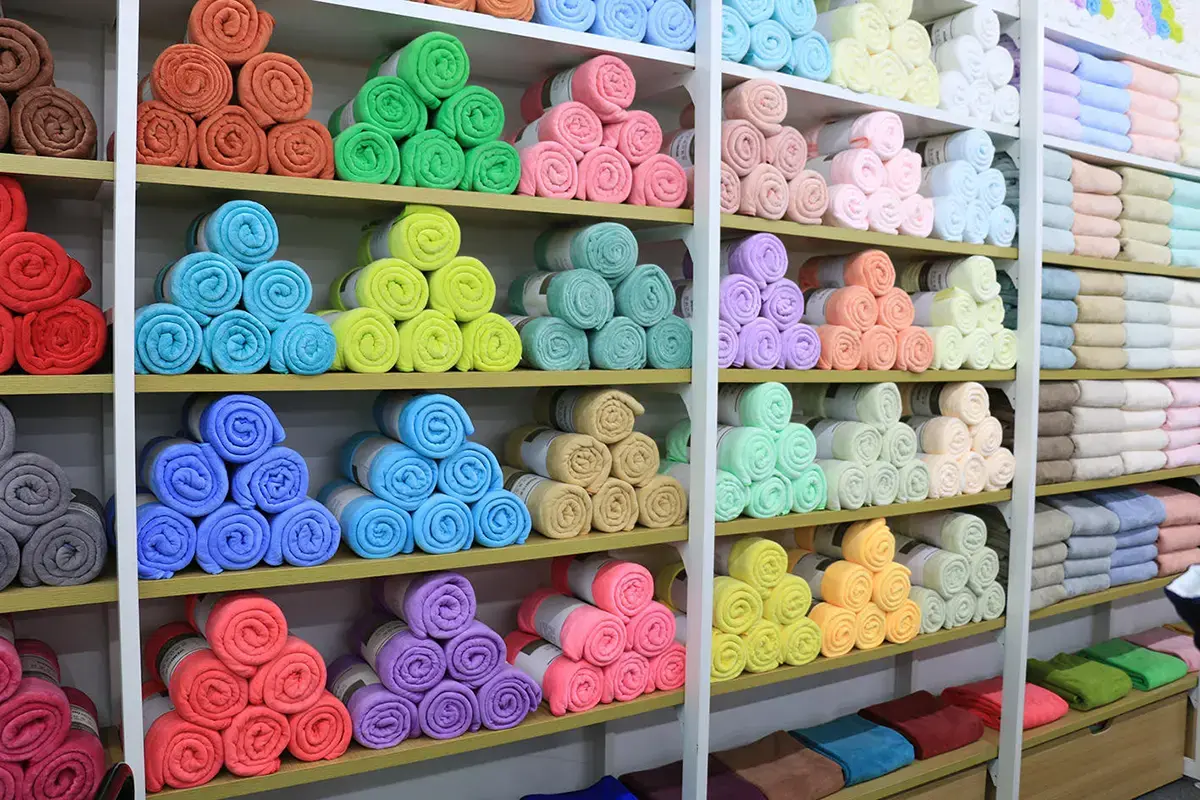
Color targets need separate approval on the towel body, borders, branding, labels, and packaging because each material and process can display them differently.
- Towel body, borders, and branding
- Available standard, custom, and Pantone references
- Component-level sample approval
Color Directions and References
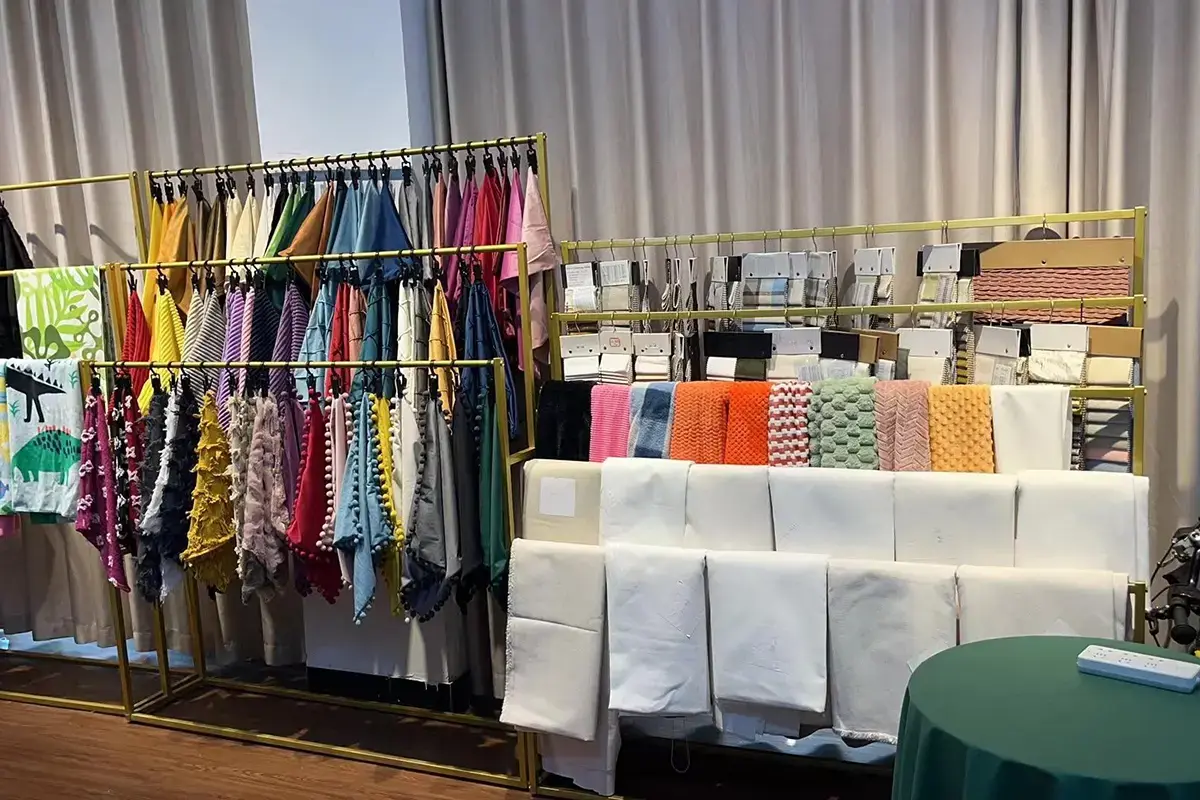
A color brief can use available standard colors, a Pantone system and code, a physical sample, or a brand guide. Each reference belongs to a named component.
- White or natural
- Available standard colors
- Dyed, custom, or Pantone-referenced colors
- Physical sample or brand reference by component
How Color Changes by Component
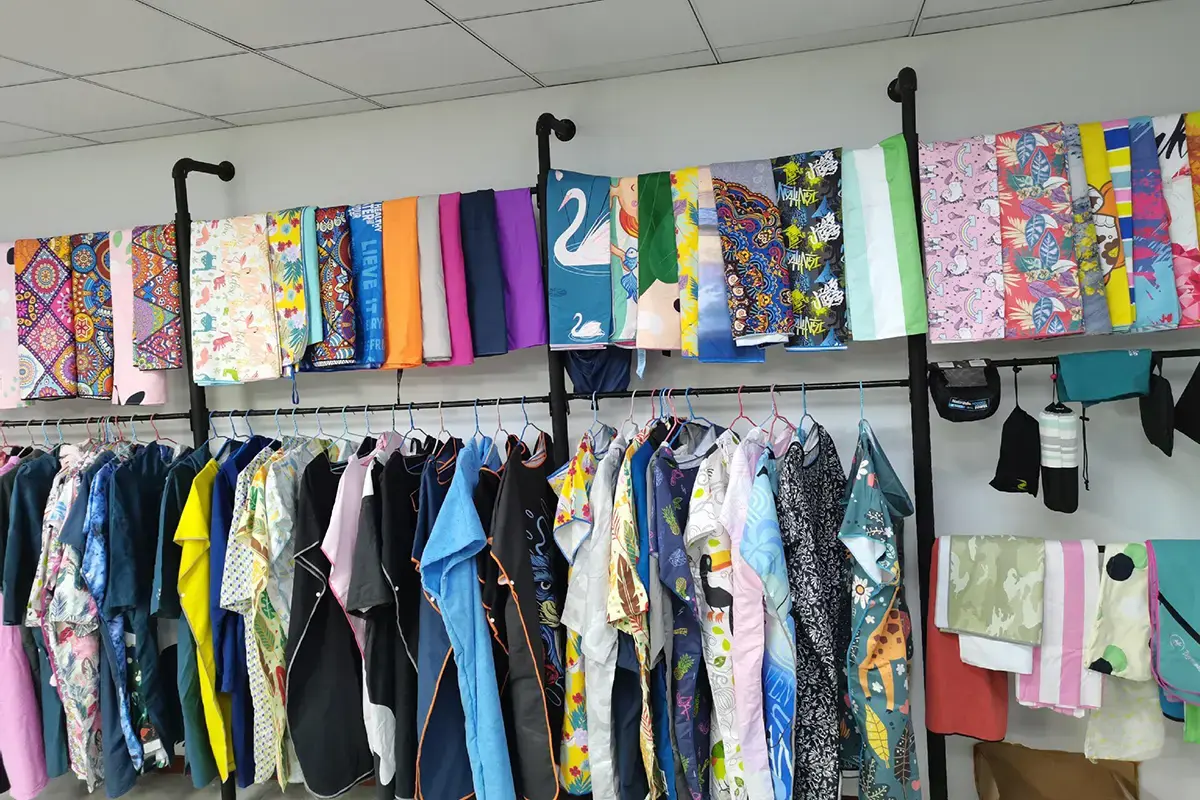
The same brand color can look different across towel fabric, thread, print, labels, and packaging.
Towel Body and Borders
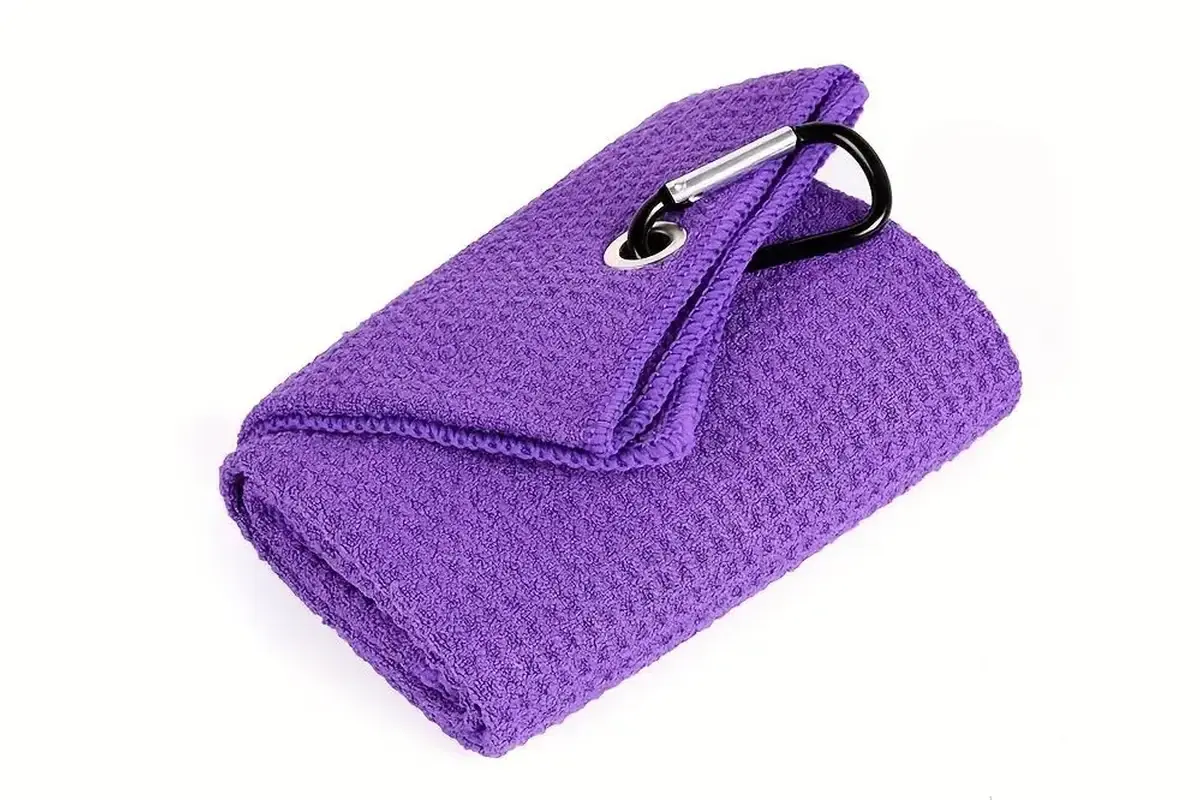
Material, GSM, pile direction, and surface texture all change how the towel body and border reflect light and display color.
- Towel body color reference
- Border or woven-detail color
- Pile direction and surface appearance
- Finished sample comparison
Construction differences are explained on the materials page.
Embroidery and Jacquard Colors
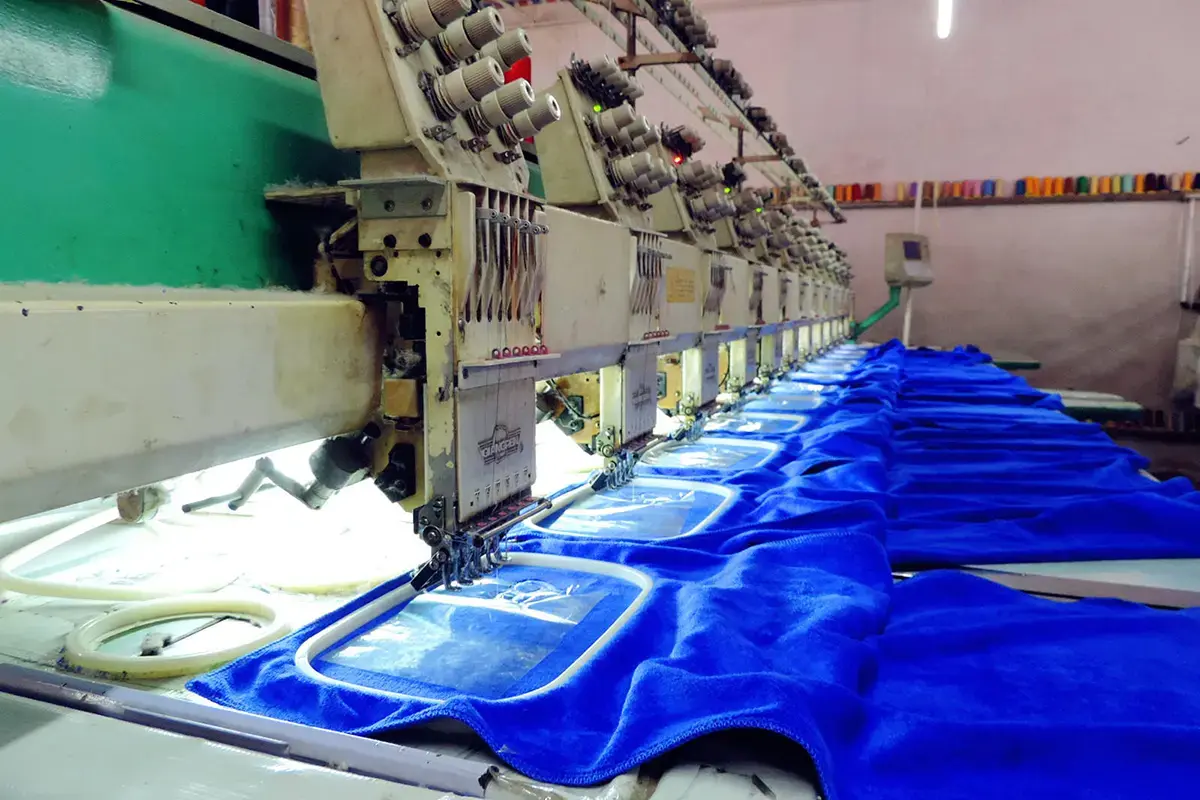
Embroidery thread and jacquard yarn reflect light differently from towel pile, so their colors need a separate physical comparison beside the towel body.
- Embroidery thread colors
- Logo position and scale
- Jacquard color allocation
- Finished logo or pattern sample
Method-specific details are covered on the embroidery page and jacquard page.
Printed Artwork Colors
Ink behavior and perceived color change with the artwork coverage, towel surface, and print method. The printed towel sample shows these factors together.
- Original artwork file
- Color values or Pantone references
- Print coverage and direction
- Color approval on the actual towel
Print-method differences are described on the printed towels page.
Labels and Packaging Colors
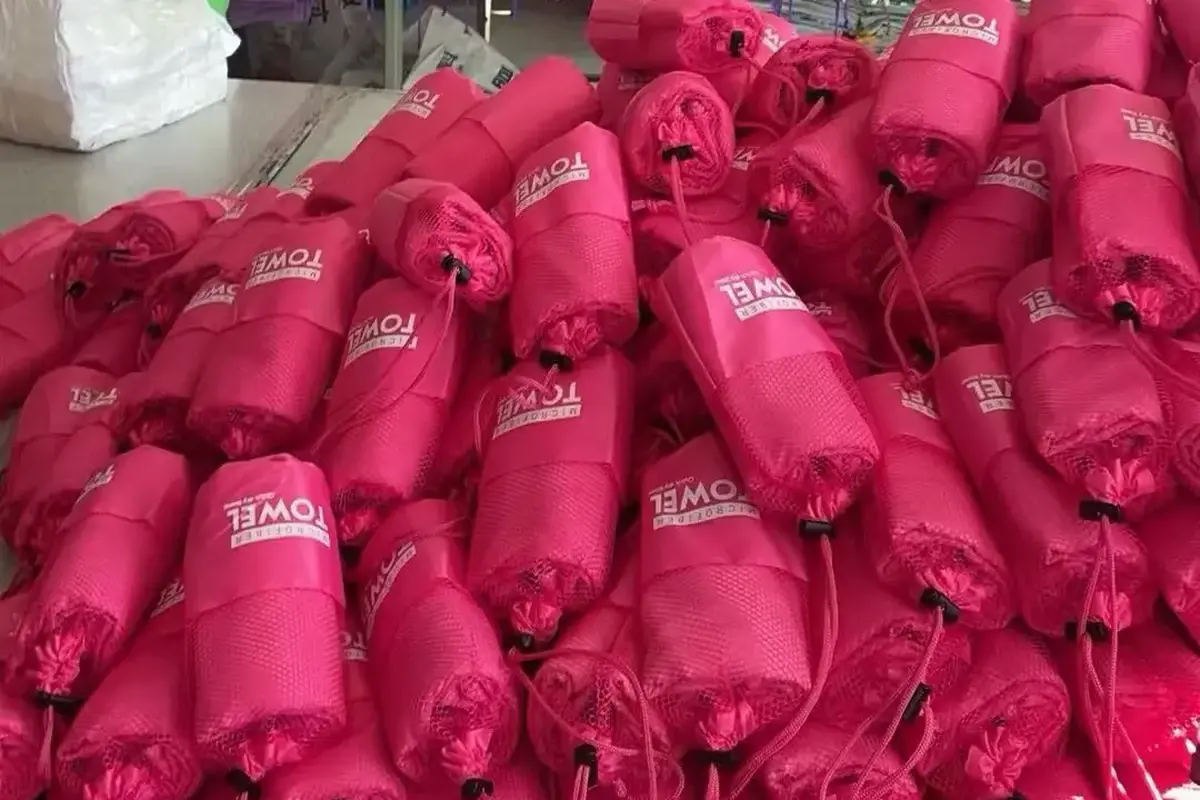
Labels and packaging use different substrates, finishes, and production processes from the towel, so a shared brand color may not appear identical.
- Label artwork and substrate
- Packaging artwork and substrate
- Brand-color priority across components
- Physical comparison with the finished towel
Finished-Product Color Approval
A visually acceptable color does not by itself demonstrate washing or color-fastness performance; these require separate agreed checks.
Reference and Color Map
A component-level map connects each towel, branding, label, and packaging element to its Pantone code, physical sample, or brand reference.
Sample and Washing Review
The physical sample shows color on the selected material. Any agreed washing or color-fastness requirement is evaluated as a separate performance check.
Repeat Order Reference
The approved sample, color map, artwork version, and accepted changes form the repeat-order reference. Their role in production is shown in the custom towel production process.
A Component-Level Color Brief
For color matching, send the towel type, material, quantity, original artwork, and the reference and priority for every visible component.
Request a Color Review