
Custom Towel Materials
The material name is only one part of the towel specification. Fiber composition, GSM, yarn, surface, finished size, and washing requirements need to be considered together.
- Cotton, bamboo-cotton, microfiber, and blends
- GSM reviewed with the selected material and towel type
- Material, surface, and washing reviewed together
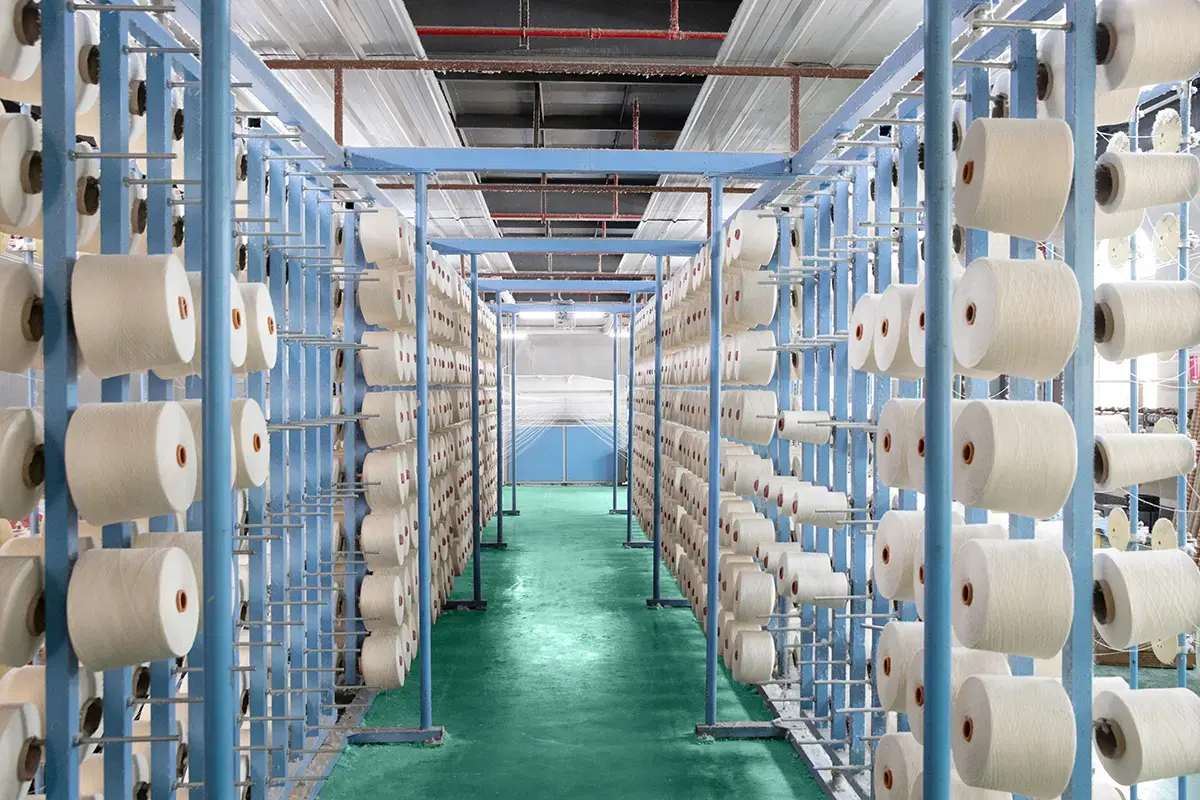
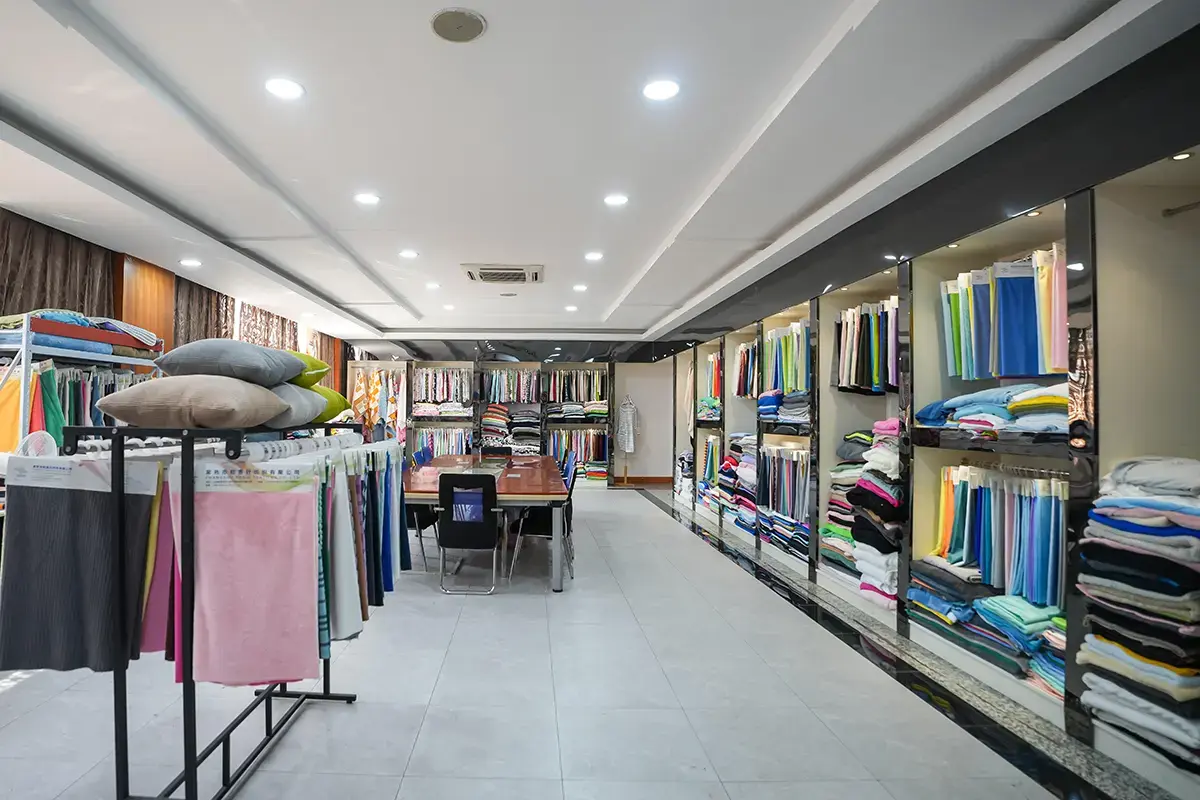
Material Choice Depends on the Finished Towel
The intended use, contact area, handling, washing, and branding determine which materials are worth sampling.
- Product and contact area
- Feel and absorbency
- Drying, linting, and washing
- GSM, size, and branding
If the product is still open, the towel category overview provides the context needed for a useful material comparison.
How Towel Materials Differ
Each material needs to be considered with its GSM, construction, finished size, and intended use.
Cotton Options
Cotton specifications can differ by fiber, yarn construction, surface, GSM, and the required finished result.
- Fiber specification: Confirmed for the towel type and order
- Yarn and surface: Considered with feel, linting, and washing
- GSM and size: Evaluated as part of the complete towel
- Finished sample: Absorbency, shrinkage, color, and branding reviewed together
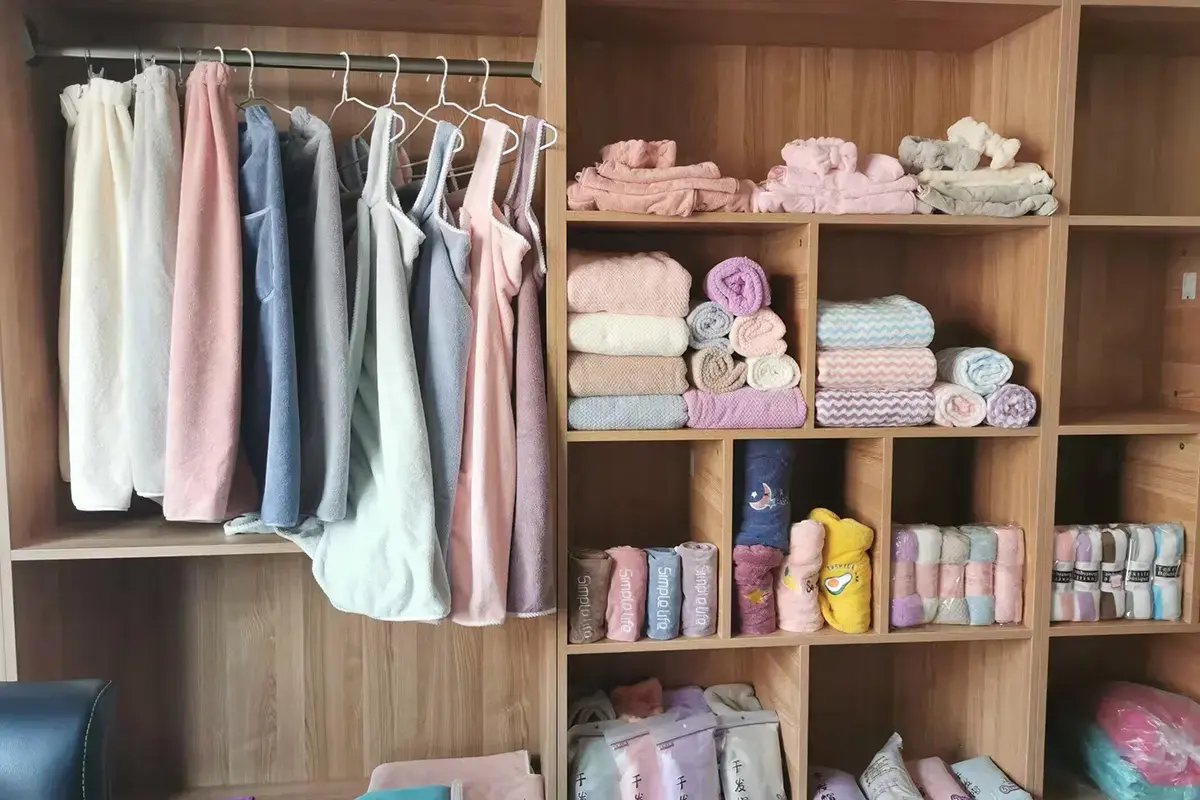
Bamboo-Cotton
The stated material name needs to be supported by the actual fiber composition and the finished towel requirements.
- Fiber composition and blend ratio
- GSM and surface for the towel type
- Feel, absorbency, and washing on the finished sample
- Required material documents and claim wording
Microfiber
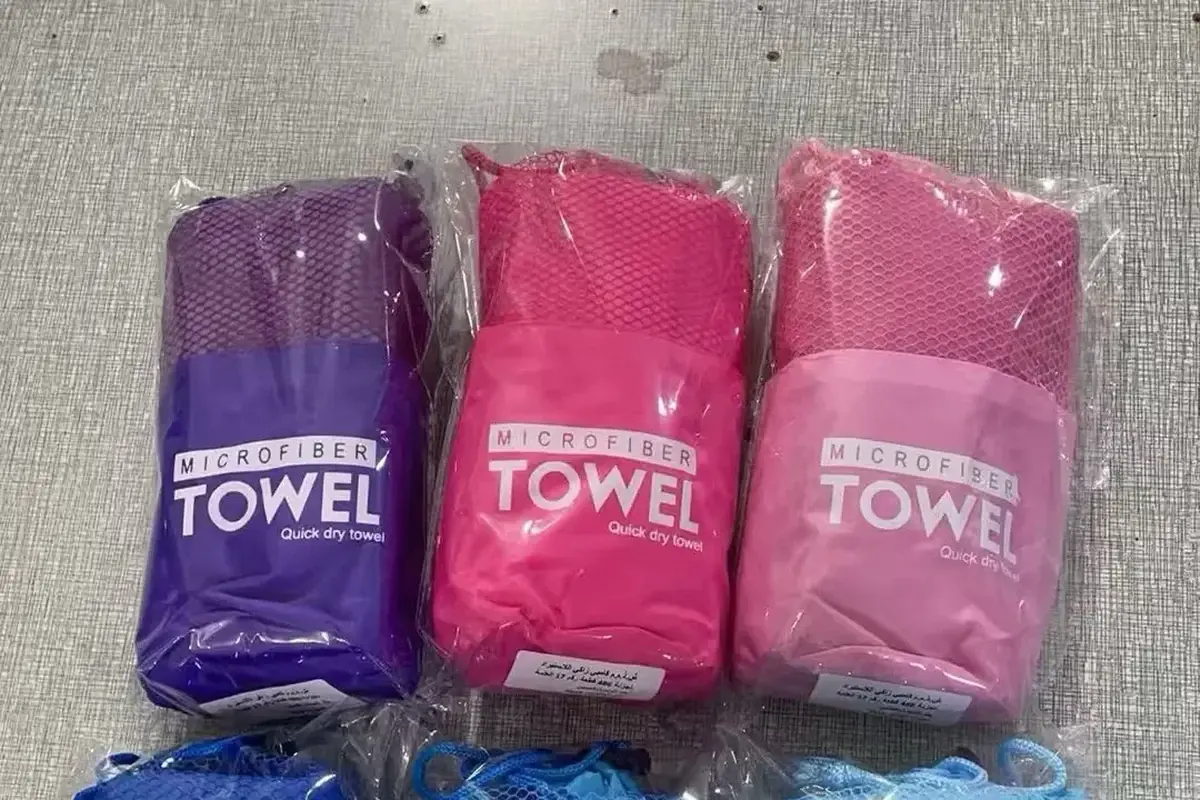
This material comparison covers the microfiber construction, GSM, surface, and finished towel specification.
- Material construction and surface
- GSM, finished size, and edge
- Absorbency and linting on the finished sample
- Branding and washing compatibility
For cleaning and automotive applications, review the custom microfiber towels page.
Blended and Recycled Cotton
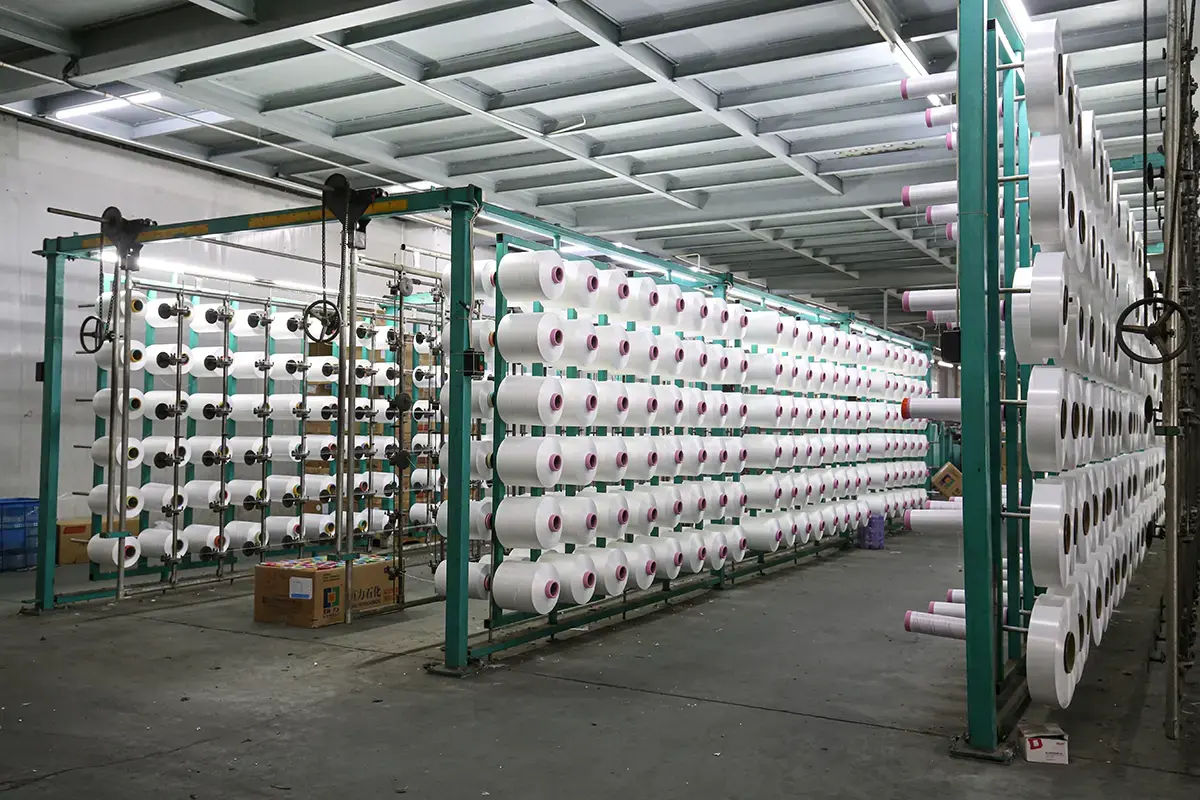
The actual fiber ratio or recycled content is more useful than the material name alone.
- Polyester-cotton ratio
- Recycled fiber content
- Surface, color, branding, and washing result
- Required recycled-content information and documents
Material, GSM, and Construction Work Together
The fiber name is only one part of the finished towel.
Yarn and Surface
The selected yarn and surface construction need to work with GSM and finished size. Available options should be confirmed for the material and towel type.
Color and Branding
Towel color, embroidery, jacquard, or printing can appear differently on each material and surface. The custom colors page explains the color-reference process.
Finished Sample Checks
The finished towel provides the reference for GSM, size, surface, feel, absorbency, linting, shrinkage, color, branding, and washing. The factory page covers production and quality information.
Request a Material Recommendation
For material recommendations, send the towel type, intended use, preferred materials, target GSM or size, and branding requirements.
Send Your Material Brief